97% of Executives Deployed AI Agents. Only 29% See ROI. The Gap Is the Story of 2026.
Writer's survey of 2,400 global workers reveals the widest deployment-to-value gap in enterprise AI history — and 60% of companies plan to lay off employees who won't adopt.

- ● 97% of executives deployed AI agents in the past year, but only 29% report significant ROI — a 68-point deployment-to-value gap.
- ● 54% of C-suite executives admit AI adoption is 'tearing their company apart,' and 60% plan to lay off employees who won't adopt AI.
- ● An 'AI elite' class is emerging: super-users are 5X more productive and 3X more likely to have received a promotion, saving 9 hours per week vs 2 hours for laggards.
- ● The gap is not a technology problem — it's a measurement problem. Most teams measure deployment, not whether deployment created value.
What does the enterprise AI adoption gap look like in 2026?
Writer's second annual AI adoption survey, conducted with Workplace Intelligence across 2,400 global employees and C-suite leaders, delivers the most uncomfortable data point in enterprise AI this year: 97% of executives say they deployed AI agents in the past year. Only 29% report significant ROI.
That is a 68-point gap between deployment and value. It is the widest such gap in enterprise technology history.
The data does not stand alone. PwC's 29th Global CEO Survey found 56% of CEOs see no revenue or cost impact from AI. Forrester predicts 25% of planned 2026 AI spend will be deferred. Gartner predicts over 40% of agentic AI projects will be canceled by 2027. The Writer data completes the picture: deployment is nearly universal. Value is not.
Why is AI tearing companies apart?
Writer's survey reveals internal fractures that adoption metrics hide:
54% of C-suite executives admit AI adoption is "tearing their company apart." The tension is not between pro-AI and anti-AI camps. It is between the speed of deployment and the organization's ability to absorb it. AI tools are being deployed faster than teams can learn to use them effectively, faster than processes can be redesigned around them, and faster than anyone can measure whether they're helping.
79% of organizations face challenges in adopting AI — a double-digit increase from 2025. The challenges are not technical. They are organizational: lagging ROI, strategy gaps, and internal power struggles over who owns AI outcomes. 38% of CEOs report a "high or crippling" amount of stress around AI strategy.
60% of companies plan to lay off employees who can't or won't use AI. And 77% of executives warn that employees who refuse to become AI-proficient won't be considered for promotions or leadership roles. The message to workers is unambiguous: adopt or be replaced — even as the organizations issuing that ultimatum can't demonstrate that adoption is creating value.
Who is the AI elite?
The survey documents an emerging class division within organizations:
92% of the C-suite admit they're cultivating a new class of "AI elite" employees. These super-users are at least 5X more productive than employees who aren't embracing AI. They are 3X more likely to have received both a promotion and pay raise in the past year. Top AI users save nearly 9 hours per week — 4.5X more than the 2 hours reported by AI laggards.
This creates a structural incentive problem: the employees who benefit most from AI are the ones who were already highly productive. The employees who need the most support to adopt — the ones in roles where AI integration is less intuitive — are the ones facing layoff threats for not adopting fast enough.
The question the survey doesn't answer: are the AI elite more productive because they use AI well, or because they were already the most capable employees and AI simply amplified existing advantages? If the latter, the layoff strategy punishes the wrong people.
What separates the 29% from the 68%?
The 29% of organizations seeing significant ROI share patterns that the 68% do not:
They measure outcomes, not deployment. The Bullseye framework we introduced on the Product Impact Podcast identifies this as the core measurement failure: most teams track power (what AI can do) and speed (how fast it responds) while ignoring impact (what outcomes changed) and joy (whether users trust it enough to come back). A dashboard full of green checkmarks on adoption metrics tells you nothing about value creation.
They invested in context before capability. Juan Sequeda's research shows that enterprise AI accuracy depends on business context — knowledge graphs, taxonomies, semantic layers that tell the model what "order" and "customer" and "revenue" mean in your specific organization. The organizations deploying agents without this context layer are deploying powerful tools into environments where the tools can't understand the business.
They use graduated autonomy. The agentic era deployment pattern that works is agents starting in read-only mode, progressing through low-stakes actions, and earning high-stakes autonomy over time. The organizations in the 68% typically gave agents full autonomy immediately because the ROI model required it — and then scaled back when the first cascading error hit.
What does this mean for product teams?
The Writer data validates what the deployment evidence has been saying all quarter: the enterprise AI problem in 2026 is not adoption. It is value extraction. The tools are deployed. The value is not flowing.
For product teams building enterprise AI:
- Measure what matters. If your customer success metrics track seats activated and prompts sent, you're complicit in the 68% gap. Measure outcomes: did the workflow improve? Did the user delegate a second task? Did the business metric move?
- Build the context layer. Enterprise context infrastructure is not optional. Products that deploy into organizations without understanding the business will produce confident, wrong outputs — and the 60% layoff threat means employees will use those outputs even when they suspect they're wrong, because the alternative is losing their job.
- Design for the non-elite. The AI elite will adopt anything. The users who determine whether your product creates organization-wide value are the ones who need the most support and are getting the least. If your product only works for power users, the 97% deployment stat is a vanity metric.
The signal I'm tracking in my ongoing research into AI value in enterprise deployments is now unambiguous: the enterprise has universally deployed AI. The enterprise has not universally extracted value from it. The 68-point gap between those two statements is the defining business problem of 2026 — and the product teams, consultants, and platforms that close it will define the next era.
PH1 Research helps product teams measure the impact that adoption dashboards miss. AI Value Acceleration diagnoses where enterprise AI value creation stalls at the behavioral layer — the gap between deploying AI and getting value from it.
Sources:
- Writer: Enterprise AI Adoption in 2026
- Writer Survey: 60% Plan Layoffs for AI Non-Adopters (BusinessWire)
- Writer: 2026 AI Adoption Survey Key Findings
- PwC 29th Global CEO Survey (Fortune)
- Forrester: 25% AI Spend Deferral (BusinessWire)
- Gartner: 40% Agentic AI Cancellation
How helpful was this article?
Share this article
Latest Episodes ›
All episodes

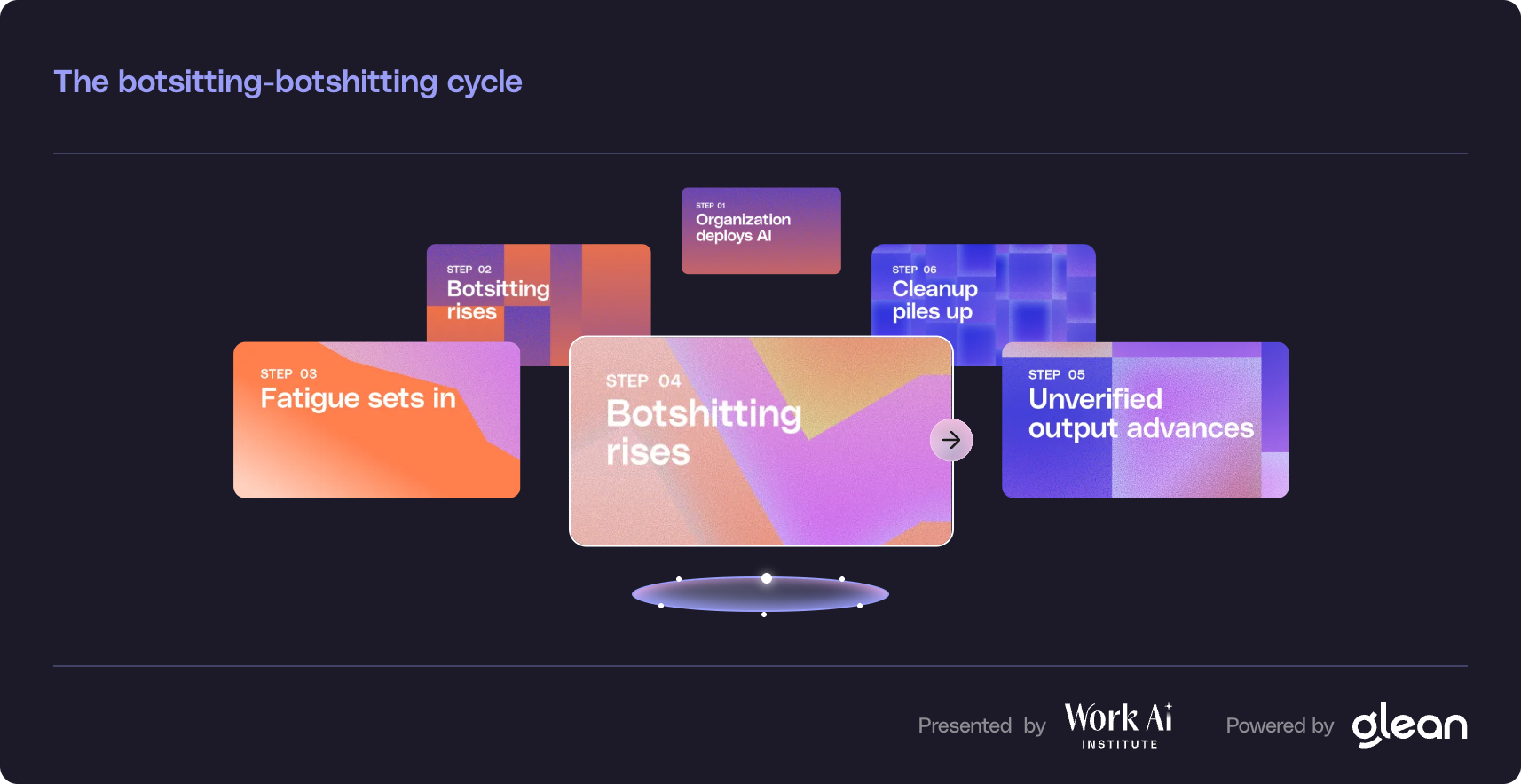
New Report Says You're Wasting More Time Botsitting Than Getting Value from AI

How to Measure AI Product Impact: The Bullseye Framework for Power, Speed, Impact, and Joy
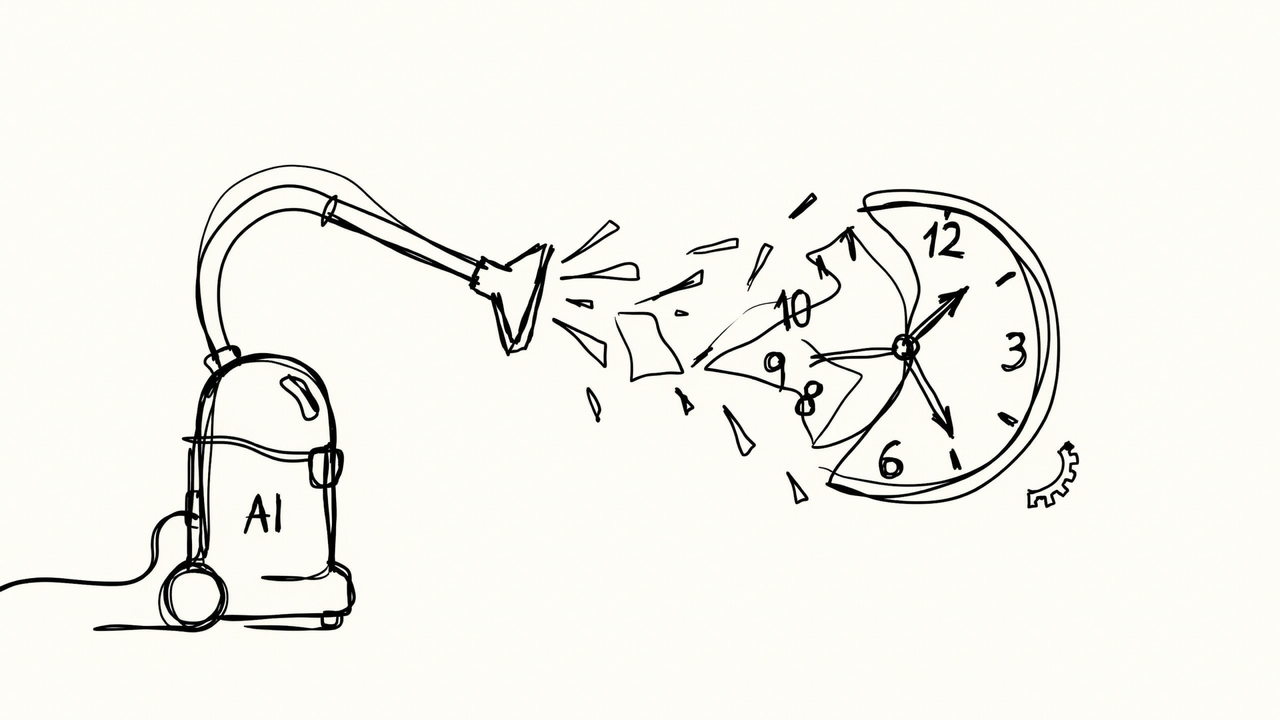
The Time-Suck Era of AI Is Ending. Design Decides What Comes Next.

The UX Researcher's Guide to Claude, Claude Cowork, and Claude Code
WTF is an AI-native org anyways? Let's compare Airbnb & Meta's opposing plans.

Future of UX Research: Guide for How UX Researchers Can Protect Their Jobs & Careers
Product Impact Newsletter
AI product strategy delivered weekly. Free.