AI Product Strategy
47How product leaders integrate AI into strategy, roadmaps, and competitive positioning
AI Product Strategy
What the Product Impact Podcast has learned about building AI products that prove their impact.
Every episode tagged with this theme is a case study, critique, or framework for the hardest question in product today: how do you build AI that delivers real value — not just demos?
The Position
The Product Impact Podcast's position on AI product strategy is blunt: most AI products fail not because the technology doesn't work, but because the strategy was built around what AI could do, not what users actually need. The teams that win in the AI era are the ones who treat AI as infrastructure — a new input into product decisions, not the output — and who invest as heavily in measurement, governance, and behavioral change as they do in models.
Across 50+ episodes, the same themes keep surfacing:
- The moat is not the model. Frontier models are commoditizing. Domain expertise, proprietary data, trust, and verification layers are the moats that compound.
- Strategy is protocol, not a deck. The winning teams have operating playbooks that shape how decisions are made day-to-day — not strategy documents that sit in Notion.
- Adoption is the strategy. A product nobody uses has no impact. The behavioral layer of adoption — where users decide whether to integrate AI into their workflow — is where most strategies fail.
- Measurement defines success. Teams that can't measure impact can't improve it, and can't defend their budget when the hype cycle turns.
The podcast has introduced or explored these concepts under the AI Product Strategy theme:
- Cognitive Sovereignty — The ability to remain the author of your own thinking when AI is in the loop. A design constraint for any product that puts AI in front of users. (Introduced in S02E05 with Helen & Dave Edwards)
- The Median Pull — How AI tools pull their users' thinking, writing, and decisions toward a common position. The most underrated risk in AI product strategy. (Introduced in S02E05)
- The Adjacent Possible — What biological intelligence can discover that centralized AI cannot. The source of durable competitive advantage. (Introduced in S02E05)
Leaders, researchers, and builders who've discussed AI product strategy on the show:
- Helen Edwards — Co-founder, Artificiality Institute (S02E05)
- Dave Edwards — Co-founder, Artificiality Institute (S02E05)
"The value of that business is about the people in the organization and the decisions that those people make. Any executive who says they can dramatically change their cost because they're going to eliminate humans and use AI that anybody else can buy for 20 bucks a month — what competitive advantage do you have?"
— Dave Edwards, S02E05: The Human Impact of AI We Need to Measure
(More quotes appended as episodes are tagged into this theme.)
- Adoption & Organizational Change — What happens when AI products meet real organizations
- Governance, Risk & Trust — The accountability layer every AI product needs
- UX & Experience Design for AI — How AI changes what good product design looks like
Articles
47

The Definitive Guide to Wearables: How Watches & Rings Disrupt AI Product Strategy
The Time-Suck Era of AI Is Ending. Design Decides What Comes Next.

Your Approvals Are Teaching AI to Skip You

Identify the AI Silent Failures & Conversational Loss Patterns Killing Your Product Adoption

Lenny's 2026 Tech Survey: AI Burnout Is Surging, Layoff Fear Is High
Search is the use case that every business should be focused on solving with AI

Why AI Hasn't Found Its Killer Use Case

The Playbook for AI Value Creation

The Product Team's Claude Code Playbook: 20 Commands Worth Learning This Sprint
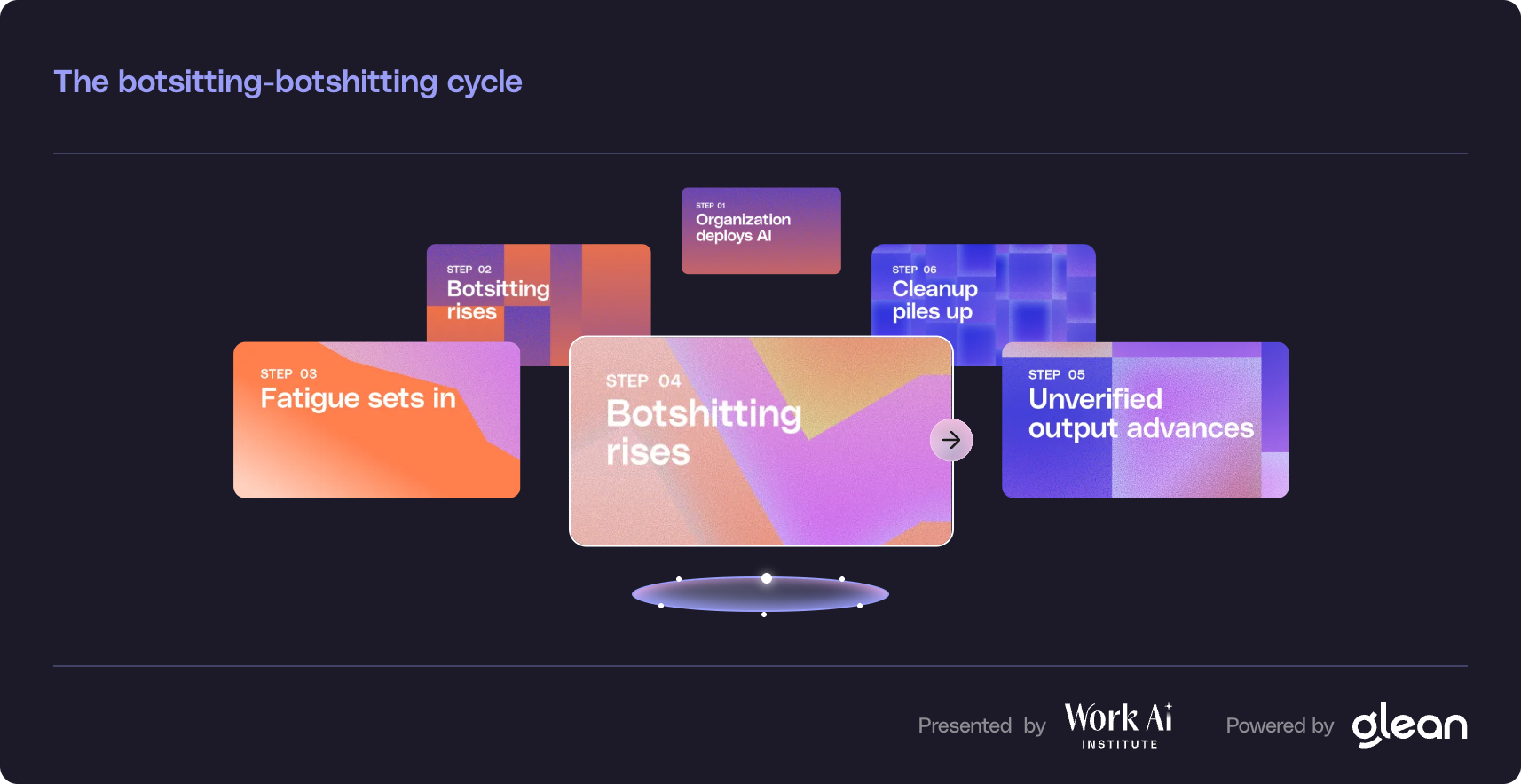
New Report Says You're Wasting More Time Botsitting Than Getting Value from AI

Eight Frameworks for Measuring AI ROI — And How to Use Each One

How Apple's WWDC 2026 Siri Announcements Change How We Build for iOS
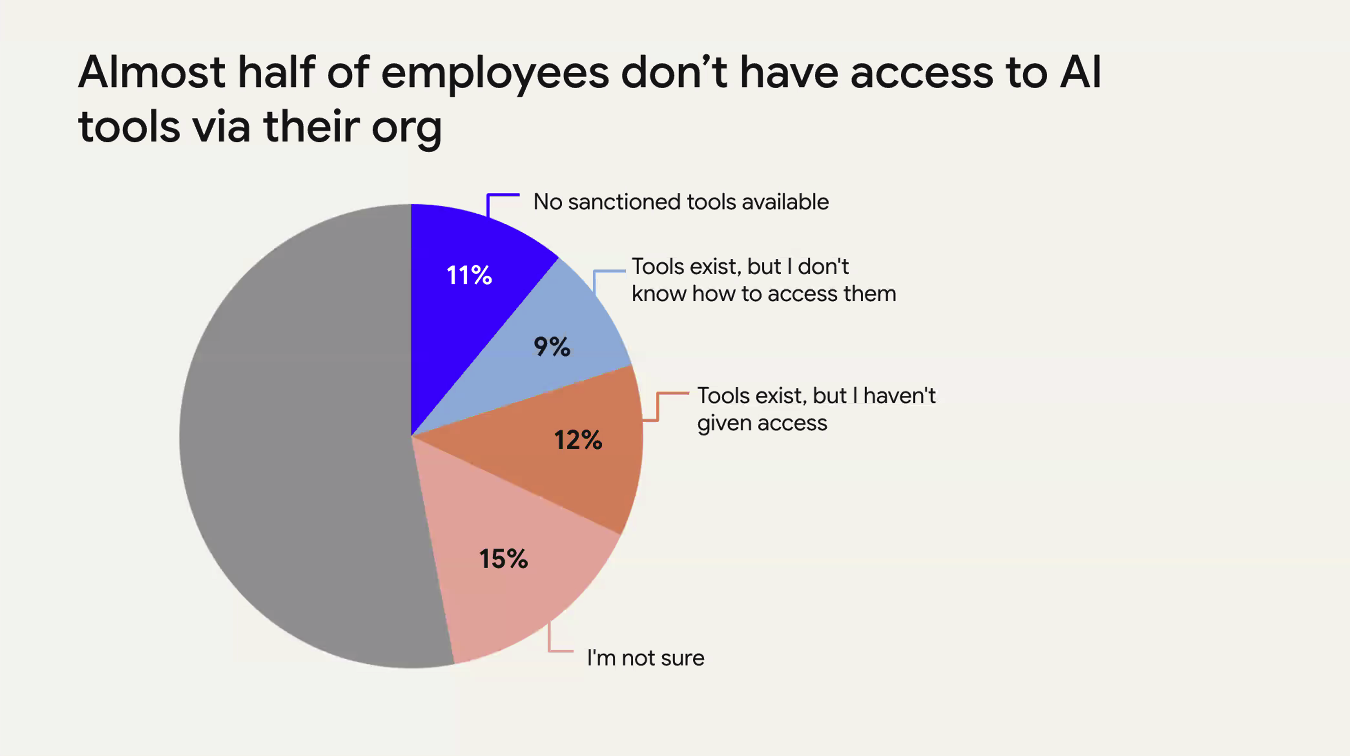
12 Things Knowledge Workers Need to Know From the AI Strategy Summit

The 100x Performer Is Real. So Is the Market It Requires Everyone Else to Lose.
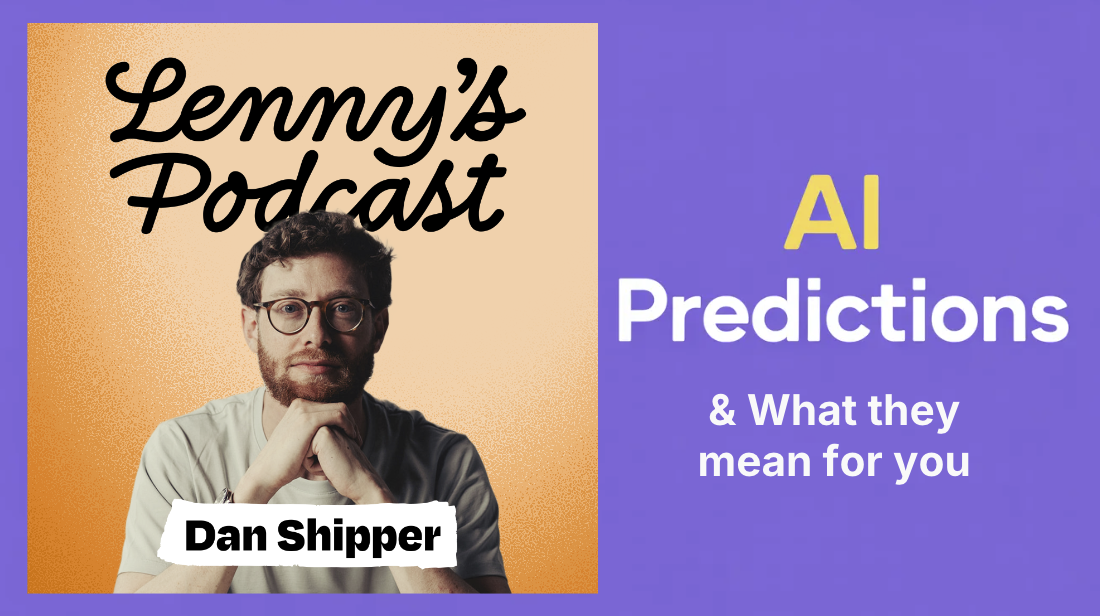
Playbook for Success Based on Dan Shipper's AI Predictions from Lenny's Podcast
OpenAI & Anthropic are charging us way more than we need
WTF is an AI-native org anyways? Let's compare Airbnb & Meta's opposing plans.
Playbook for Knowledge Workers to Survive the AI Jobpocalypse

The Browser Is the New Battleground: How AI Is Moving Out of Chat and Into Your Life
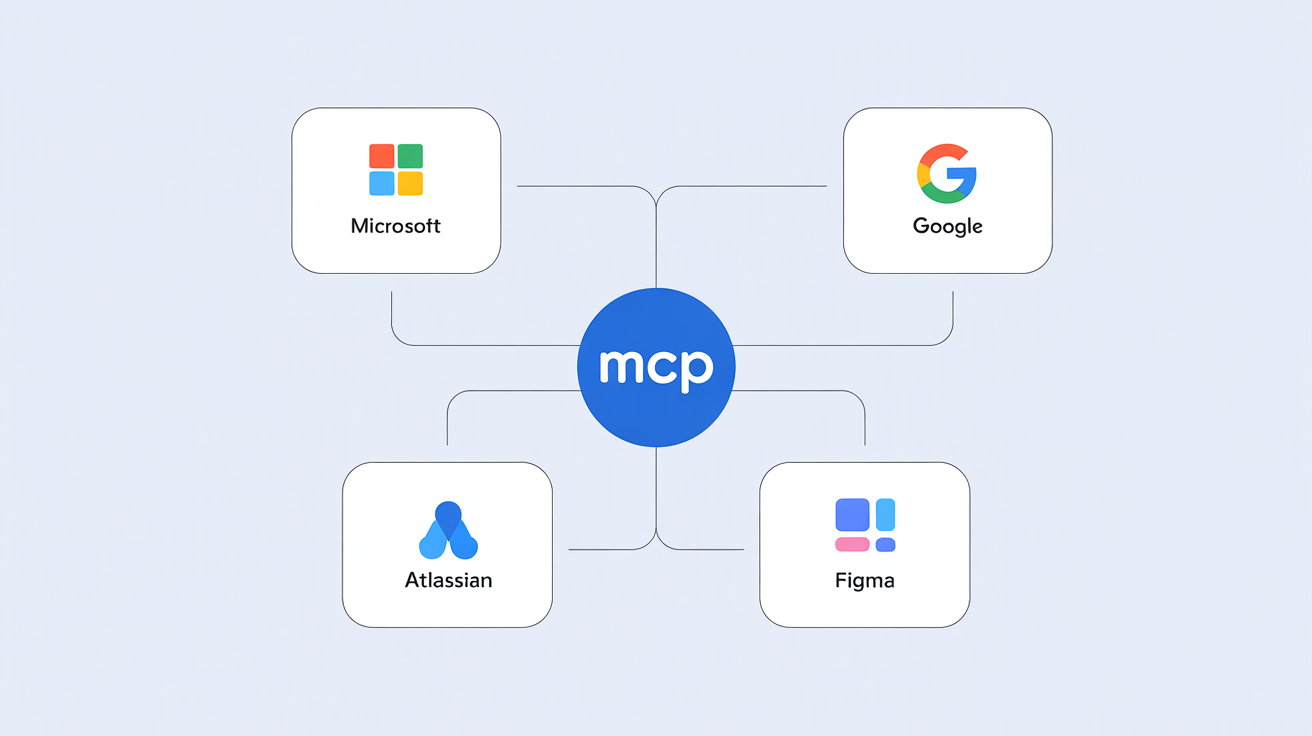
Context Models Are the Unlock to Consistent AI Value

What UX Research Looks Like When Context Becomes the Engine
Team Work Is About to Transform and Atlassian Is Leading the Charge

$650 Billion in Capex, $14 Billion in Losses: What Q1 2026 Means for AI Builders

Silicon Valley's AI Is Repeating the Social Media Mistake

The Cognitive Shift Every UX Researcher Needs to Make

Meta Is the Cautionary Tale About AI Every Founder Needs to Remember

Apple Turns 50: 50 Ways It Could Use AI in Ways Only Apple Can

The Free Ride Is Over: AI Economics Is Now Your Most Important Strategy Decision
Stanford's AI Index Proves the US Can't Buy Its Way to an AI Lead

How Tim Cook Is Leaving Apple Points to the Future of AI

Will Claude Design Replace Figma? Why the Source of Truth for Design Matters More Than Generation

Stanford's 2026 AI Index Just Dropped. Here Are the Numbers Product Leaders Need.

The Internet Is Being Re-Intermediated. Adobe's Data Shows How Fast.

SEO Had 25 Years of Certainty. HubSpot Shipped Their Vision for AEO.
97% of Executives Deployed AI Agents. Only 29% See ROI. The Gap Is the Story of 2026.

20 AI Product Podcasts Worth Your Time If You're Scaling LLM Capabilities

Physical AI: What It Is, What's Been Built, and Five Startups That Will Define It

The Agentic Era: What AI Agents Are, How They Change Work, and Why 94% of Organizations Aren't Ready

What AI Does to Human Thinking: Cognitive Sovereignty, the Median Pull, and Why It Matters for Product Teams

Anthropic Is No Longer a Model Company

Microsoft's Copilot Problem Isn't Adoption. It's Coerced Adoption.

Enterprise Context Is the AI Moat Nobody Built: Knowledge Graphs, Taxonomies, and Why Models Aren't Enough

The Year AI Leaves the Text Box

Why AI Capability Is No Longer Defensible — and What Product Teams Should Build Instead

How to Measure AI Product Impact: The Bullseye Framework for Power, Speed, Impact, and Joy

Wearables Will Save Lives, But We Need a New Relationship With Biometrics First
Episodes: AI Product Strategy
208. The Most Important Data Points in AI Right Now
18:156. Robert Brunner Was the Secret to Beats' & Apple's Success — Now He's Redefining AI for the Physical World
44:415. The Human Impact of AI We Need to Measure [Helen & Dave Edwards]
57:243. Win The AI Context Wars — Unlock The Value of Data [Juan Sequeda ]
52:012. Five steps to defend your AI product value
34:301. Why Your AI Metrics Are Lying to You - Framework for improving AI product performance
35:00Why Design of AI is becoming the Product Impact Podcast
16:0652. Clawd Bot & Moltbook: When Demos Hijack Reality [Jim Love]
43:0151. Agents Will Disrupt Search & Shopping [Devi Parikh, CEO Yutori, ex Meta
42:5950. Designing AI for 2026: Trust, Cost, Orchestration [Yaddy Arroyo]
44:3249. AI Was Supposed to Help Humans. What Happened? [Ovetta Sampson]
48:1448. AI Trap: Hard Truths About the Job Market
30:1847. The Future of Human–AI Creativity [Dr. Maya Ackerman]
45:5946. The AI Commercialization Playbook: Stop Selling Tech, Start Delivering Value [Jessica Randazza Pade, Neurable]
44:3045. Agentics: Rebuilding How We Think, Work, and Create with AI [Kwame Nyanning, Author of Agentic]
44:5544. AI Won’t Save Your Product—Discovery Will [Teresa Torres - Product Talk]
43:4743. Play Unlocks the Next Billion‑Dollar AI Market [Michelle Lee, IDEO]
41:4742. HubSpot’s Head of AI on How AI Rewrites Customer Acquisition & Marketing
45:4541. Vibe Coding Will Disrupt Product — Base44’s Path to $80M Within 6 Months
41:2740. Secrets to Successful Agents: Atlassian’s Strategy for Success
47:39Canonical Concepts
Featured People
Arpy Dragffy
Arpy Dragffy is the founder of PH1 Research, a 14-year-old product strategy and AI value consultancy, and co-host of the Product Impact Podcast. His work focuses on the gap between AI deployment and AI-driven outcomes — measuring it, closing it, and helping product teams ship AI that compounds rather than decays.
Michelle Lee
Design director at IDEO who joined the Product Impact Podcast to discuss how play and experimentation unlock the next wave of AI product innovation.
Savannah Kunovsky
Designer at IDEO who joined the Product Impact Podcast to discuss co-design methodologies for AI products — how to involve users in shaping AI systems rather than designing for them.
Teresa Torres
Founder of Product Talk and author of Continuous Discovery Habits. One of the most influential voices in product management. Joined the Product Impact Podcast to argue that AI won't save products that lack proper discovery practices.
Yaddy Arroyo
AI product strategist who joined the Product Impact Podcast to discuss the three forces reshaping AI product strategy in 2026: trust, cost, and orchestration.
Organizations
Artificiality Institute
The Artificiality Institute is a nonprofit research organization dedicated to studying what AI does to human cognition, identity, and meaning-making. Founded by Helen Edwards and Dave Edwards, the institute has spent a decade researching the human side of AI — focusing on questions about how AI changes minds, relationships, and professional judgment rather than what AI can do as a technology.
Microsoft
Global technology company and developer of Microsoft 365 Copilot, the most widely deployed enterprise AI assistant with 15 million paid seats. Microsoft's March 2026 Copilot reorganization under Jacob Andreou signals a shift toward specialized AI products.
OpenAI
Creator of ChatGPT and the GPT family of models. The most widely used AI platform globally, with ChatGPT processing approximately 1.6 billion daily queries. OpenAI's partnership with Jony Ive for a physical AI device signals expansion beyond software.